
ELECTRICAL BUSINESS SALE GUIDE
Selling an Electrical Business
Selling an electrical business requires evidence of licensing, technician capacity, service revenue, project margins, safety performance, contractor relationships, fleet condition and management transferability.
This guide explains what buyers look for, what can increase or reduce value, what documents to prepare and how to connect the sale to a confidential valuation process.
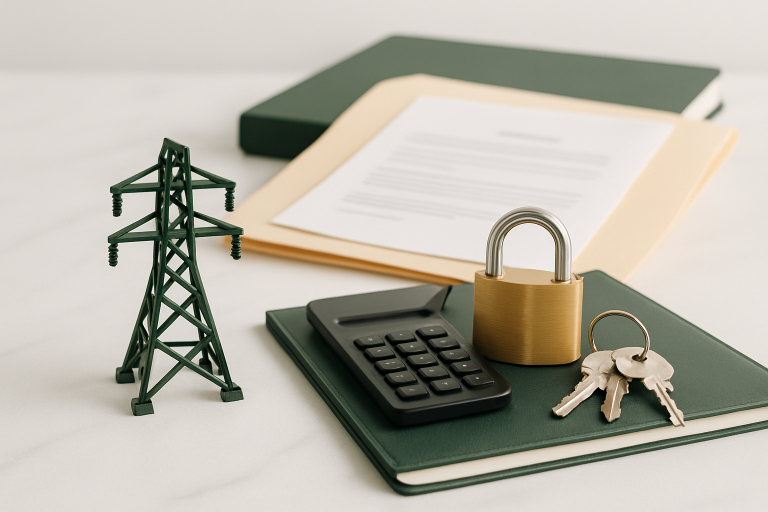

What Makes selling an electrical business Different?
Electrical businesses are not all valued in the same way as other businesses. Buyers will still review profit, cash flow and risk, but they will also focus on the operational details that are specific to this sector.
The strongest sale story normally explains why revenue is repeatable, why margins are sustainable, how dependent the business is on the owner, what staff or systems will transfer, and what a buyer can realistically grow after completion.
Buyer Confidence
Buyers want evidence that the electrical business can keep performing after the current owner steps back.
What buyers look forValuation Evidence
Clean financials, sector-specific records and clear add-backs can help support a realistic valuation discussion.
Business valuationPreparation
Good preparation reduces buyer uncertainty and can help prevent avoidable renegotiation during due diligence.
Prepare for saleWhat Buyers Look for in a Electrical Business
Buyers need to understand the quality, reliability and transferability of the business. In this sector, the most important questions often include:
Buyer Review Areas
- licensing and compliance status
- service versus installation revenue
- qualified electricians and retention
- project margin history
- safety and claims record
- fleet, tools and testing equipment
Questions the Seller Should Answer
- What revenue is repeatable after completion?
- How much depends on the owner personally?
- Which staff, systems or contracts will transfer?
- What risks would a buyer discover in due diligence?
- Where can a new owner realistically grow the business?
- What evidence supports the asking price?
CONFIDENTIAL VALUATION
Find Out What Your Electrical Business Could Be Worth
Request a confidential valuation before approaching buyers, so you understand the likely value drivers, buyer concerns and preparation priorities for your sector.
Request My Business ValuationWhat Can Increase or Reduce Value?
Value depends on both performance and risk. A buyer may pay more for a business that is easier to understand, easier to finance and easier to transfer after completion.
Potential Value Drivers
- qualified team with low turnover
- strong service and maintenance revenue
- good project controls
- clear job costing
- strong contractor or commercial relationships
- clean compliance and safety record
Potential Value Reducers
- licence depends entirely on the owner
- weak project margins
- customer concentration
- undocumented job costing
- poor safety history
- aged vehicles or tools
For a deeper valuation explanation, read how to value a business for sale and the business valuation guide.
Documents to Prepare Before Selling
A well-prepared seller can answer buyer questions faster and with more confidence. The documents below should be organised before sensitive information is released.
Financial Records
- Three years of accounts or tax returns
- Year-to-date management accounts
- Adjusted earnings and add-back explanations
- Revenue by customer, location or service line
- Working capital, debt and asset schedules
Sector Records
- licence and certification records
- job margin history
- service and project revenue split
- staff roster
- fleet and equipment list
- safety and insurance records
Sale Process Records
- Confidential business summary
- Buyer qualification criteria
- Due diligence folder structure
- Transition and handover plan
- Reason for sale and owner role notes
- Growth opportunity summary
For a broader checklist, use the business sale preparation checklist and the due diligence checklist.
How to Sell a Electrical Business Confidentially
Confidentiality matters because staff, customers, suppliers and competitors may react badly if they learn about a possible sale too early. The safest process usually uses a blind profile, buyer screening, non-disclosure agreements and staged information release.
Before Naming the Business
- Use a non-identifying summary
- Screen buyers for funding and intent
- Avoid sharing customer or staff names too early
- Control how revenue and location details are described
- Use a staged disclosure process
Before Due Diligence
- Use a signed non-disclosure agreement
- Release sensitive documents in stages
- Keep staff communication controlled
- Track which buyer has received which information
- Prepare answers to likely buyer concerns
Read the full guide on how to sell a business confidentially.
Related Business Sale Guides
These guides support the wider sale process and help connect this industry page into the main valuation, preparation and exit-planning structure.
Connect Industry Value With Location
Industry and location work together. Buyers may assess a business differently depending on local demand, staffing, competition, customer density, route coverage, lease terms and regional growth prospects.
State Selling Guides
Use state pages to connect industry-specific valuation with local market context.
Browse state guidesMajor City Guides
City pages help sellers and buyers think about local market opportunity and nearby-market expansion.
Other Industry Guides
Browse the wider industry hub if your business overlaps with another sector or if buyers may compare opportunities across related service categories.
Useful Official and Authority Resources
These official resources can help owners research sale planning, business tax, labour-market context and business data. They do not replace professional legal, accounting, tax or valuation advice.
Frequently Asked Questions About Selling an Electrical Business
How do I start selling a electrical business?
Start with a confidential valuation, then prepare financial records, sector-specific documents, staff information and buyer-screening criteria before approaching the market.
What makes a electrical business more valuable?
Buyers usually value a business more highly when earnings are stable, records are clear, key staff will stay, revenue is transferable and the owner is not essential to day-to-day performance.
Can I sell a electrical business confidentially?
Yes. A controlled process can use blind summaries, buyer screening, non-disclosure agreements and staged release of sensitive information.
What documents will buyers ask for?
Buyers will normally ask for financial records, customer information, staff details, contracts, licences or compliance records, asset schedules, operating reports and due diligence evidence.
Does location matter when selling a electrical business?
Yes. Location can affect buyer demand, staffing, competition, route economics, lease terms, growth potential and local customer density.
Should I get a valuation before speaking to buyers?
Yes. A valuation helps set expectations, identify value drivers and reduce the risk of sharing sensitive information before you understand the likely sale strategy.
NEXT STEP
Request a Confidential Business Valuation
Get a clearer view of what your electrical business could be worth, what buyers may need to see and what you should prepare before going to market.
Get My Free Business Valuation