
BUSINESS SALE AND PROPERTY GUIDANCE
Selling a Business With Real Estate
Selling a business with real estate can be more complex than selling the trading business alone. Owners need to consider valuation, buyer funding, lease structure, property due diligence, tax treatment and whether the real estate should be sold or retained.
This guide explains the main options when a business includes owned premises, land, a commercial building or property that may be separated from the operating company.

What Does It Mean to Sell a Business With Real Estate?
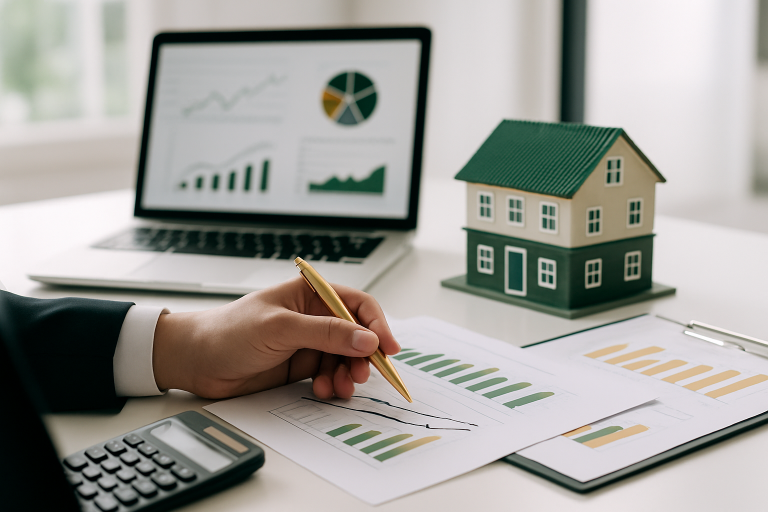
Some businesses operate from property owned by the business owner, the company, a related property company or a family trust. The real estate may be essential to the business, optional for the buyer, or attractive as a separate investment asset.
The owner usually has three broad choices: sell the business and property together, sell the business but retain the property and lease it to the buyer, or separate the real estate from the business before the sale. The right option depends on buyer demand, valuation, tax, funding, property quality and the owner’s future income needs.
Sell Business and Property Together
The buyer acquires both the trading business and the premises. This can simplify control but may reduce the buyer pool if the total price becomes harder to finance.
Sell the Business, Keep the Property
The owner sells the operating business and grants a commercial lease to the buyer. This can create rental income but leaves the seller with landlord risk.
Separate the Assets
The business and property may be valued and negotiated separately, especially where different buyers or financing structures are appropriate.
Why Real Estate Changes the Sale Process
Real estate can add value, but it can also add complexity. A buyer may need a different lender, a property survey, environmental review, title review, zoning confirmation, lease negotiation or additional legal due diligence before completing the transaction.
It Can Affect Buyer Funding
- The total purchase price may be higher
- Some buyers may want to buy the business but not the property
- Lenders may assess the business and real estate separately
- Property condition can affect financing
- Lease terms can affect the trading business valuation
It Can Affect Due Diligence
- Title, ownership and liens may need review
- Zoning and permitted use may need confirmation
- Environmental matters may need investigation
- Repairs, maintenance and insurance may need disclosure
- Lease terms may need to be negotiated before closing
CONFIDENTIAL VALUATION
Need to Value the Business and the Real Estate?
Request a confidential valuation to understand how the operating business, property position, lease options and buyer demand may affect the likely sale route.
Request My Business ValuationOption 1: Sell the Business and Property Together
Selling the business and property together may make sense where the premises are central to the business, the buyer wants control of the location, and the combined price is financeable. This can be attractive for owner-operators, strategic buyers and buyers who want long-term security of occupation.
The challenge is that combining the business and real estate may increase the total price. Some buyers who could afford the business may not be able to fund the property as well, which can reduce the buyer pool or slow down negotiations.
Potential Advantages
- Cleaner handover of business and premises
- Buyer controls the operating location
- May simplify long-term occupancy concerns
- Can create a larger overall exit value
- May appeal to strategic or property-backed buyers
Potential Disadvantages
- Total deal price may be harder to finance
- Property issues can delay the whole business sale
- Some buyers may not want real estate exposure
- Different valuation methods may need reconciling
- Tax consequences may be more complex
Option 2: Sell the Business and Retain the Property
Some sellers prefer to keep the real estate and lease it to the buyer. This can create ongoing rental income after the trading business has been sold. It may also make the business purchase more affordable for buyers who do not want to acquire the property.
This option needs a properly drafted commercial lease. Rent, term, renewal rights, repair responsibilities, insurance, taxes, permitted use, assignment rights and default remedies can all affect buyer confidence and the seller’s future landlord position.
What the Seller Should Consider
- Whether rental income fits the seller’s retirement or investment goals
- Whether the buyer is a strong tenant
- Lease term, renewal options and rent review structure
- Maintenance, repair, insurance and tax responsibilities
- What happens if the buyer later fails or relocates
What the Buyer May Consider
- Whether the lease term gives enough security
- Whether rent is at market level
- Whether the property supports future growth
- Whether landlord consent is needed for changes
- Whether the lease affects bank funding
Option 3: Separate the Real Estate From the Business Sale
In some cases, the real estate and trading business should be treated as separate assets. The property may be worth more to a property investor or developer than to a trading buyer. Alternatively, the operating company may be more attractive if the buyer can lease rather than buy the premises.
This route requires careful planning because separating the assets too late can create legal, tax, financing and timing issues. Owners should take professional tax and legal advice before restructuring ownership or changing leases.
Property Investor Route
The real estate may be sold to a property investor while the buyer of the business takes a lease. The lease strength will influence property value.
Trading Buyer Route
The business buyer may prefer to acquire the trading operation and lease the premises, especially if cash is better used for working capital and growth.
Retained Asset Route
The seller may retain the property as an income-producing asset, but must understand landlord responsibilities and tenant risk.
How Real Estate Can Affect Business Valuation
When real estate is involved, the operating business and property should not be confused. A profitable business may be valued on earnings, while the property may be valued based on market value, income potential, comparable property evidence or redevelopment potential.
If the property is retained by the seller, the rent charged to the buyer needs to be realistic. Rent that is too high can reduce the value of the trading business. Rent that is too low can reduce the value of the property investment.
Business Valuation Issues
- Normalised rent should reflect market reality
- Owner-occupied premises may need adjustment
- Property repairs can affect cash flow expectations
- Relocation risk can affect transferability
- Lease security can affect buyer confidence
Property Valuation Issues
- Condition, location and permitted use
- Comparable commercial property evidence
- Lease terms and tenant covenant strength
- Environmental or zoning concerns
- Alternative use or redevelopment potential
For the wider valuation process, read business valuation and how to value a business for sale.
Due Diligence Checklist for Business Real Estate
Real estate creates an additional due diligence stream. Buyers, lenders and lawyers may want to understand exactly what is being transferred, what restrictions apply and whether property issues could affect trading after completion.
Ownership and Title
- Title documents and ownership records
- Mortgages, liens or security interests
- Easements, rights of way and restrictions
- Boundary or access issues
- Entity ownership and related-party arrangements
Use and Compliance
- Zoning and permitted business use
- Licences, permits and certificates
- Environmental matters and contamination risk
- Building condition and repair history
- Insurance and occupancy requirements
Lease and Occupancy
- Current lease or occupancy arrangement
- Rent, term, renewal and assignment rights
- Maintenance and repair responsibilities
- Landlord consent requirements
- Security deposits and guarantees
For broader buyer review issues, see the business sale due diligence checklist.
PROPERTY AND BUSINESS VALUE
Do Not Guess the Combined Value
Where real estate is involved, the best sale route may not be obvious. A confidential valuation can help clarify whether the property should be sold, retained, leased or separated from the trading business.
Get My Free ValuationTax and Legal Issues Need Early Advice
The sale of a business with real estate may involve asset allocation, depreciation recapture, capital gains treatment, entity structure, transfer taxes, lease drafting and lender consent. The details depend on ownership, state law, tax position and deal structure.
Owners should speak with qualified legal and tax advisers before agreeing heads of terms, restructuring ownership or deciding whether to sell or retain the property. The allocation between business assets and real estate can affect both buyer and seller tax outcomes.
Questions for Your Tax Adviser
- How will the property sale be taxed?
- How should price be allocated between assets?
- Will depreciation recapture apply?
- Are there state or local transfer taxes?
- Should the property be retained for rental income?
Questions for Your Attorney
- Who legally owns the property?
- Are there title, zoning or easement issues?
- What lease terms should protect the seller?
- Are lender consents or releases needed?
- What warranties should be limited or disclosed?
Related Business Sale Guides
Use these guides to connect real estate decisions with the wider business sale process, valuation, preparation, confidentiality and buyer due diligence.
Explore by Location and Industry
Real estate, sector and location often work together. A buyer may value a manufacturing property, dental premises, HVAC yard, logistics site or veterinary building differently depending on location, permitted use and strategic fit.
State and City Guides
Use the state hub to connect into local business-sale guidance and major city pages.
Browse state guidesIndustry Guides
Review industry-specific buyer considerations where premises, equipment, licences or operational location may affect value.
Browse industry guidesUseful Official and Authority Resources
These official resources can help owners research sale planning, tax reporting, asset allocation and market-data issues. They are useful background reading but do not replace professional legal, accounting, tax or valuation advice.
Frequently Asked Questions About Selling a Business With Real Estate
Should I sell the property with the business?
It depends on buyer demand, financing, property value, tax, your future income needs and how important the location is to the business. Some sellers get the best result by selling both together, while others retain the property and lease it to the buyer.
Can I sell the business but keep the building?
Yes, if the buyer agrees to lease the property and the lease terms support the business. This can create rental income for the seller, but it also creates landlord responsibilities and tenant risk.
Does real estate increase business value?
Real estate can increase total exit value, but the business and property may need to be valued separately. The property can also make the deal harder to finance if the total purchase price is too high for buyers.
What due diligence applies to business property?
Buyers may review title, liens, zoning, environmental issues, leases, repairs, insurance, permitted use, access, easements and maintenance responsibilities.
Does the lease affect the business valuation?
Yes. Rent, lease term, renewal rights, repair obligations and assignment rights can all affect business cash flow, buyer confidence and lender willingness to finance the acquisition.
Should I get tax advice before agreeing the sale structure?
Yes. The allocation between the operating business and real estate can affect capital gains, depreciation recapture, asset allocation and buyer reporting. Tax advice should be taken before agreeing terms.
NEXT STEP
Request a Confidential Business Valuation
If your business includes real estate, get a clearer view of the business value, property options and buyer considerations before going to market.
Get My Free Business Valuation